Renters insurance is often inexpensive compared with the financial problems it can help prevent, but many tenants first hear about it when reviewing a lease. For renters in Montgomery, AL, understanding why landlords require renters insurance can help clarify what the policy does, what it does not do, and why it may benefit both the tenant and the property owner.
Why Landlords Often Require Renters Insurance
A landlord may require
renters insurance as part of the lease agreement. This requirement is common because the landlord’s property insurance usually protects the building, not the tenant’s personal belongings or personal liability.
If a fire, theft, water damage event, or other covered loss damages a tenant’s belongings, the landlord’s insurance generally does not pay to replace the tenant’s furniture, clothing, electronics, kitchen items, or personal property.
Renters insurance is designed to help fill that gap.
In our work with clients, a common issue we see is that renters assume the landlord’s insurance covers everything inside the apartment or rental home. In most cases, it does not. The landlord’s policy and the tenant’s policy protect different interests.
What Renters Insurance Usually Covers
Renters insurance is typically designed around three main coverage areas: personal property, personal liability, and loss of use. Some policies may include additional optional endorsements, depending on the insurer.
Personal Property Coverage
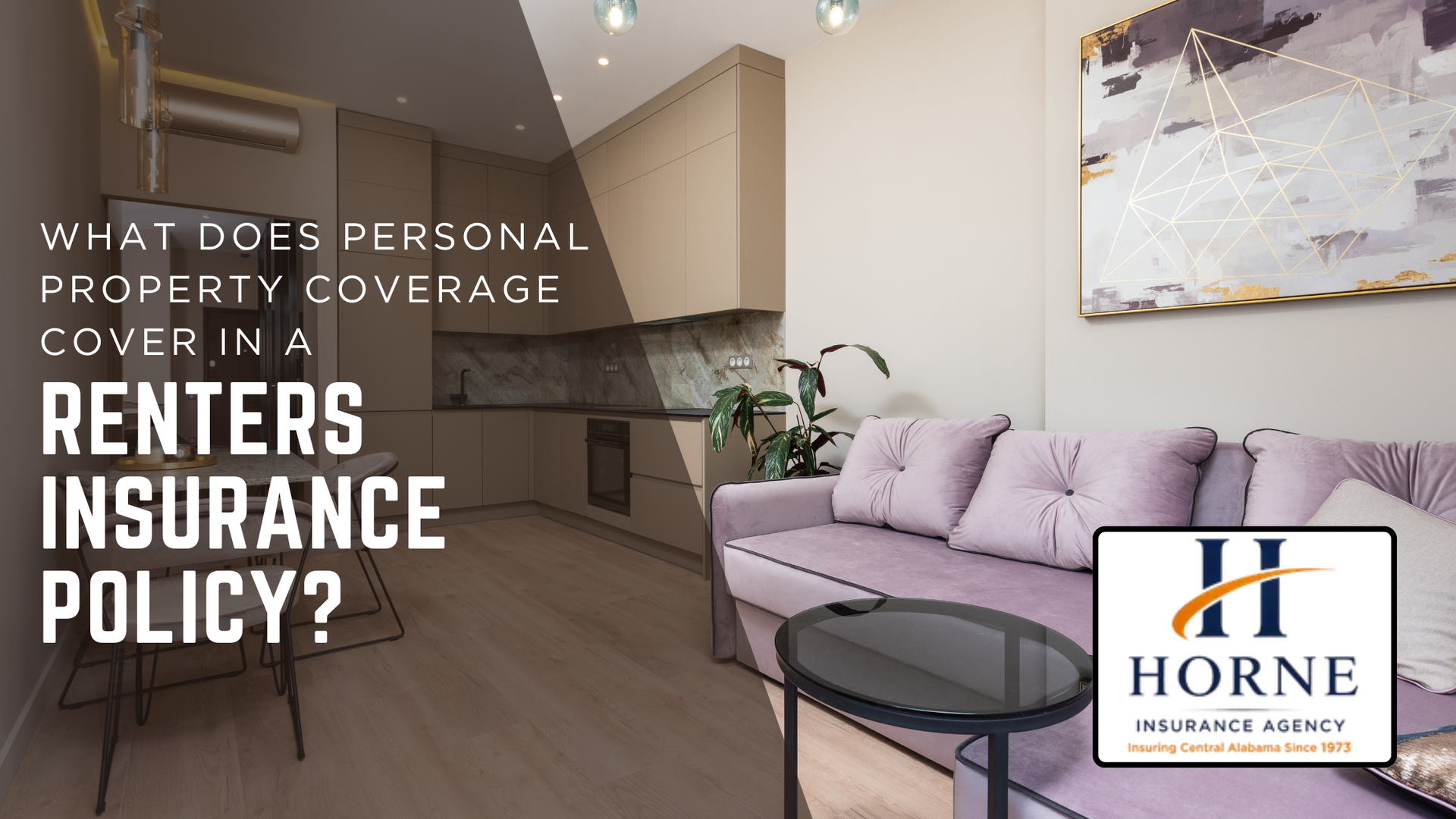
Personal property coverage may help protect belongings such as furniture, clothing, electronics, appliances, décor, sports equipment, and other household items. Coverage may apply to certain losses such as fire, theft, vandalism, or some types of water damage, depending on the policy.
Personal Liability Coverage
Personal liability coverage may help if the renter is legally responsible for bodily injury or property damage to someone else. For example, if a guest is injured in the rental unit or if the tenant accidentally causes damage to another person’s property, liability coverage may be relevant.
Loss Of Use Coverage
Loss of use coverage may help pay for additional living expenses if a covered loss makes the rental unit temporarily unlivable. This may include hotel costs, temporary housing, or extra meal expenses, subject to policy limits.
Why A Lease Requirement Matters
If
renters insurance is required in the lease, the tenant may be contractually obligated to maintain it. Failing to carry coverage could put the tenant in violation of the lease terms.
The lease may specify minimum liability limits, proof of coverage requirements, whether the landlord must be listed as an interested party, and when proof must be provided. Some landlords require proof before move-in, while others request updated proof at renewal.
For renters in Montgomery, AL, it is important to read the lease carefully instead of assuming all rental requirements are the same.
Landlord Insurance Vs. Renters Insurance
Landlord insurance and renters insurance serve different purposes. The landlord’s policy usually protects the building or rental property owned by the landlord. It may also include landlord liability coverage and loss of rental income, depending on the policy.
Renters insurance protects the tenant’s belongings and certain personal liability exposures. It may also help with temporary living expenses after a covered loss.
Simple Difference
Landlord insurance may cover:
- The rental building
- Landlord-owned fixtures
- Certain landlord liability claims
- Covered damage to the structure
- Loss of rental income, if included
Renters insurance may cover:
- Tenant belongings
- Tenant personal liability
- Additional living expenses
- Certain medical payments to others
- Optional scheduled valuables or endorsements
The two policies are meant to work separately, not replace each other.
Can A Landlord Require A Specific Coverage Amount?
A landlord may require a minimum renters insurance liability limit in the lease. Common requirements may include a specific amount of personal liability coverage, such as $100,000 or another stated limit.
The landlord may also require proof that the policy is active and may ask to be notified if the policy is canceled. This is often done by listing the landlord or property manager as an interested party, not as an additional insured.
Tenants should understand the difference. An interested party may receive policy notices, but that does not mean the landlord is covered as an insured under the tenant’s policy.
Can A Landlord Require Proof Of Renters Insurance?
Yes, if
renters insurance is required by the lease, a landlord can usually request proof. This proof may be a declarations page, certificate, or other evidence of coverage showing the policyholder name, rental address, effective dates, coverage limits, and insurer information.
Tenants should keep a copy of their policy documents and renewal notices. If coverage expires and the landlord asks for proof, having documents ready can prevent lease-related issues.
A property manager near EastChase, Cloverdale, or student housing areas may have a formal process for collecting proof of renters insurance. Tenants should submit documents by the deadline stated in the lease.
What Renters Insurance Does Not Cover
Renters insurance is useful, but it does not cover everything. Tenants should review exclusions and limits carefully.
Common items that may not be covered or may require separate coverage include:
- Flood damage
- Earth movement
- Pest damage
- Normal wear and tear
- Intentional damage
- Roommate belongings
- Business property above policy limits
- High-value jewelry above special limits
- Vehicle damage or theft from the vehicle itself
- Damage caused by certain excluded events
Flood coverage is especially important to understand. Standard renters insurance generally does not cover flood damage to personal belongings. A separate flood policy may be needed.
Does Renters Insurance Cover Roommates?
A
renters insurance policy usually covers the named insured and certain resident relatives, depending on the policy.
Roommates are generally not automatically covered unless they are specifically listed and the insurer allows it.
This is a common misunderstanding. If two unrelated roommates share a rental, each may need a separate renters policy to protect their own belongings and liability exposure.
One roommate’s policy should not be assumed to protect everyone in the unit.
Replacement Cost Vs. Actual Cash Value
Renters should understand how personal property claims are settled. A policy may cover belongings on an actual cash value basis or a replacement cost basis.
Actual cash value factors in depreciation. That means older furniture, clothing, or electronics may be valued for less than the cost to buy new replacements.
Replacement cost coverage may help pay to replace covered belongings with new items of similar kind and quality, subject to policy terms. It may cost more, but it can make a significant difference after a fire or theft claim.
Why Renters Insurance Can Help Tenants
Even when a landlord requires
renters insurance, the policy can still benefit the tenant directly. A loss can happen quickly, and replacing belongings out of pocket can be expensive.
Renters insurance may help protect a tenant from several financial problems:
- Replacing stolen belongings
- Replacing items damaged by a covered fire
- Paying for temporary housing after a covered loss
- Responding to certain liability claims
- Covering certain medical payments to others
- Satisfying lease requirements
- Reducing uncertainty after property damage
For renters in Montgomery, AL, the policy can provide practical protection whether the rental is an apartment, duplex, condo, or single-family home.
Why Renters Insurance Can Help Landlords
Landlords require renters insurance because it can reduce disputes and clarify responsibility. If a tenant’s belongings are damaged, renters insurance gives the tenant a place to turn instead of expecting the landlord to pay for items the landlord does not own.
Liability coverage may also help if the tenant accidentally causes damage or injury. For example, if a tenant starts a kitchen fire that damages the unit, liability coverage may be relevant, depending on the policy and circumstances.
This can make risk management cleaner for both sides of the lease.
Common Mistakes Renters Should Avoid
Renters often make the mistake of buying the cheapest policy without reviewing limits. A low premium may not provide enough personal property coverage, liability protection, or loss of use coverage.
Avoid these mistakes:
- Assuming landlord insurance covers your belongings
- Letting the policy lapse during the lease
- Not listing the correct rental address
- Forgetting to update coverage after buying valuables
- Assuming roommates are covered
- Ignoring flood exclusions
- Choosing actual cash value without understanding depreciation
- Not keeping receipts or photos of belongings
- Buying only the minimum required liability limit without review
A basic home inventory can make a claim easier. Photos, receipts, serial numbers, and item lists can help support the value of belongings.
How To Choose A Renters Insurance Policy
When choosing
renters insurance, start by estimating the value of personal belongings. Many renters underestimate how much it would cost to replace everything after a major loss.
Then review liability limits, loss of use coverage, deductible, replacement cost options, special limits for valuables, and lease requirements.
Ask whether the landlord needs to be listed as an interested party and what proof must be submitted. Make sure the policy effective date meets the lease requirement.
Conclusion
A landlord can often require
renters insurance as part of a lease agreement. While the landlord’s insurance generally protects the building, renters insurance helps protect the tenant’s belongings, personal liability, and additional living expenses after certain covered losses.
Tenants should not view renters insurance only as a lease requirement. It can be an affordable way to protect personal property, reduce out-of-pocket exposure, and avoid confusion after a loss. Reviewing the policy details before move-in can help make sure the coverage meets both lease requirements and real household needs.
When you choose Jim Horne Insurance Agency, Inc., you get more than just a policy—you gain a partner committed to protecting your future. Our team works closely with you to ensure you get the right coverage at the right price. Reach out to us at (334) 244-0600 or
CLICK HERE to get started with a free quote.
Disclaimer: Please note that this blog is for informational use only and should not be substituted for professional advice. For detailed recommendations, speak with a qualified insurance expert.
Jim Horne Insurance Agency, Inc.
Montgomery, AL
(334) 244-0600
https://www.jimhorneinsurance.com/