Home insurance helps protect your house, belongings, liability exposure, and temporary living expenses after certain covered losses. For first-time homeowners in Montgomery, AL, understanding the basic parts of a policy can help you avoid underinsuring your home or assuming coverage exists where it may not.
Why Home Insurance Matters For First-Time Homeowners
Buying your first home comes with a long list of decisions, and
home insurance is one of the most important. It is easy to think of it as one more requirement from the mortgage lender, but the policy does much more than satisfy closing paperwork. Home insurance helps protect the financial investment you are making in the property and gives you a framework for recovery after events like fire, theft, wind damage, covered water damage, or liability claims.
A common issue we see is first-time homeowners focusing mostly on the premium and not enough on what the policy actually covers. Price matters, but the cheapest policy may not be the best fit if the limits are too low, the deductible is too high, or important endorsements are missing. Home insurance should be reviewed as a protection plan, not just a bill.
Dwelling Coverage Protects The House Itself
Dwelling coverage is the part of your
homeowners policy that helps repair or rebuild the physical structure of your home after a covered loss. This usually includes the roof, walls, foundation, attached garage, built-in systems, and other parts of the main structure.
One of the most important things first-time homeowners should understand is that dwelling coverage should usually be based on replacement cost, not market value. Market value is what the property may sell for. Replacement cost is what it may take to rebuild the home with similar materials and workmanship after a covered loss.
A common issue we see is a homeowner assuming the insurance amount should match the purchase price. That is not always correct. The purchase price includes land value, location, market demand, and other real estate factors. Insurance is mainly concerned with rebuilding the structure.
Other Structures Coverage Covers Detached Property
Other structures
coverage usually applies to structures on your property that are not attached to the main home. This may include a detached garage, shed, fence, gazebo, or similar structure.
For many first-time homeowners, this section is easy to overlook because the main house gets most of the attention. But if the property includes detached buildings or upgraded fencing, the other structures limit should be reviewed carefully. A standard percentage may be enough for some homes, but not for every property.
Around areas near Blount Cultural Park or Old Cloverdale, properties can vary widely in age, layout, and added structures. That makes it important to look at the actual property, not just accept the default limit without review.
Personal Property Coverage Protects Your Belongings
Personal property coverage helps protect the items you own inside the home, such as furniture, clothing, electronics, appliances, kitchenware, and other household belongings. After a major loss, replacing everything inside a home can cost far more than many new homeowners expect.
A common issue we see is
homeowners underestimating the value of their belongings because they think of items one at a time. A sofa, television, laptop, mattress, clothing, tools, and kitchen items may not seem overwhelming separately, but the total replacement cost can add up quickly.
First-time homeowners should also ask whether personal property is covered on a replacement cost basis or actual cash value basis. Replacement cost generally helps pay to replace items with similar new ones, while actual cash value usually subtracts depreciation.
Some Valuables May Need Special Coverage
Standard
home insurance may limit coverage for certain valuable items. Jewelry, collectibles, firearms, fine art, musical instruments, high-end electronics, and other special property may have sublimits or restrictions.
This does not mean those items are never covered. It means the base policy may not provide enough protection for their full value. A scheduled personal property endorsement may be needed for higher-value items.
A common issue we see is someone assuming an engagement ring, inherited jewelry, or valuable collection is fully covered because it is kept inside the home. That assumption can lead to frustration after a theft or loss if the policy has a lower special limit.
Loss Of Use Coverage Helps If You Cannot Live At Home
Loss of use coverage, also called additional living expense coverage, can help pay for extra costs if your home becomes unlivable after a covered loss. This may include hotel stays, temporary housing, additional food costs, or other necessary expenses above your normal cost of living.
This coverage is easy to forget until it becomes urgently needed. If a fire or major covered damage forces you out of the home for weeks or months, the repair cost is only part of the problem. You still need somewhere to live while the work is being completed.
For first-time homeowners in Montgomery, AL, this coverage can be especially important because repair timelines may depend on contractor availability, material delays, and the severity of the damage.
Personal Liability Coverage Protects Against Certain Claims
Home insurance is not only about property damage. Personal liability coverage may help protect you if someone claims you are legally responsible for their injury or property damage. This could involve a guest injured on your property, a dog bite claim, or accidental damage you or a family member cause to someone else’s property.
A common issue we see is first-time homeowners choosing liability limits without thinking about how expensive an injury claim could become. Medical bills, legal defense, and settlement costs can rise quickly. If you have pets, frequent guests, a pool, trampoline, or other higher-risk features, liability limits deserve extra attention.
Some homeowners may also want to consider umbrella insurance for additional liability protection beyond the standard homeowners policy.
Deductibles Affect Your Out-Of-Pocket Cost
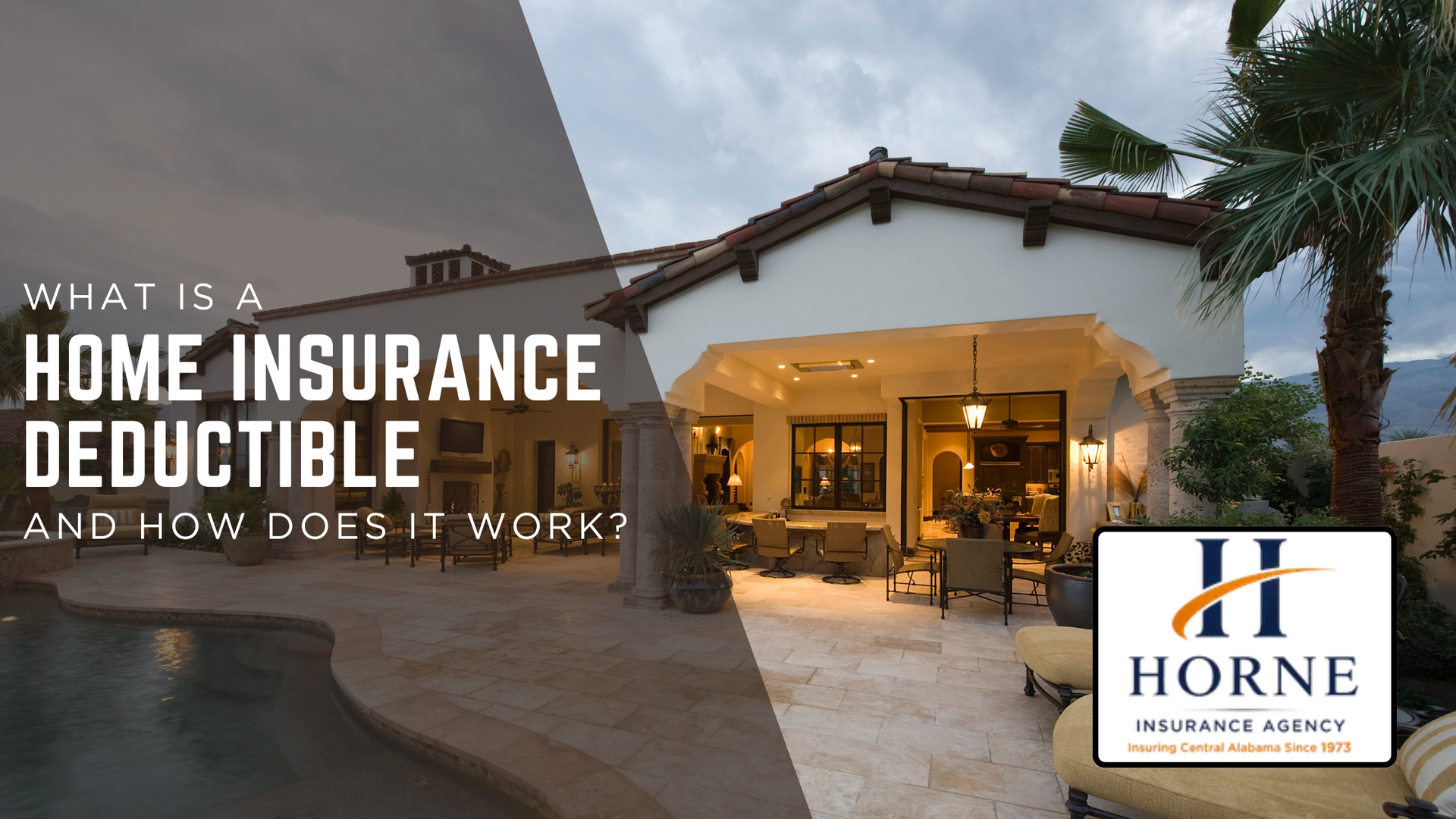
A deductible is the amount you pay out of pocket before
insurance contributes to a covered claim. A higher deductible can lower your premium, but it also means more financial responsibility after a loss.
For example, if you have a $2,500 deductible and a covered claim causes $12,000 in damage, the insurer may pay $9,500 after the deductible. That means the deductible should be an amount you could realistically afford in an emergency.
A common issue we see is a new homeowner choosing a high deductible to reduce the monthly or annual cost, then feeling surprised when a claim happens and the out-of-pocket amount is difficult to manage.
What Home Insurance Usually Does Not Cover
First-time homeowners should also understand that home insurance does not cover everything. Most policies include exclusions and limitations. Common examples may include flood damage, earth movement, normal wear and tear, maintenance issues, pest damage, and certain long-term water problems.
Flood insurance is especially important to review separately because a standard homeowners policy typically does not cover flood damage. A home does not have to be near a major body of water to have flood exposure. Heavy rain, drainage issues, and changing development patterns can all affect risk.
A common issue we see is a homeowner assuming all water damage is treated the same way. It is not. The source of the water often determines whether a homeowners policy, flood policy, or no policy applies.
Why Policy Reviews Matter After Closing
The
policy you purchase at closing should not be the last time you think about home insurance. Your coverage may need to change after renovations, roof updates, major purchases, new valuables, home-based work, or changes in household liability exposure.
Helpful questions to review include:
- Does my dwelling limit still reflect current rebuilding costs?
- Have I added or upgraded any detached structures?
- Do I have enough personal property coverage?
- Are my valuables properly insured?
- Is my deductible still realistic?
- Do I need flood insurance or other separate coverage?
These questions help make sure your policy grows with your home and lifestyle.
Conclusion
Home insurance gives first-time homeowners important protection for the house, belongings, liability risks, and additional living expenses after certain covered losses. The key is understanding how each part of the policy works, what limits apply, and where separate coverage or endorsements may be needed. A strong homeowners policy should reflect the real cost to rebuild, the value of your belongings, and the financial risks your household may face.
For first-time homeowners in Montgomery, AL, reviewing coverage carefully before a claim happens can help prevent expensive surprises later.
When you choose Jim Horne Insurance Agency, Inc., you get more than just a policy—you gain a partner committed to protecting your future. Our team works closely with you to ensure you get the right coverage at the right price. Reach out to us at (334) 244-0600 or
CLICK HERE to get started with a free quote.
Disclaimer: Please note that this blog is for informational use only and should not be substituted for professional advice. For detailed recommendations, speak with a qualified insurance expert.
Jim Horne Insurance Agency, Inc.
Montgomery, AL
(334) 244-0600
https://www.jimhorneinsurance.com/